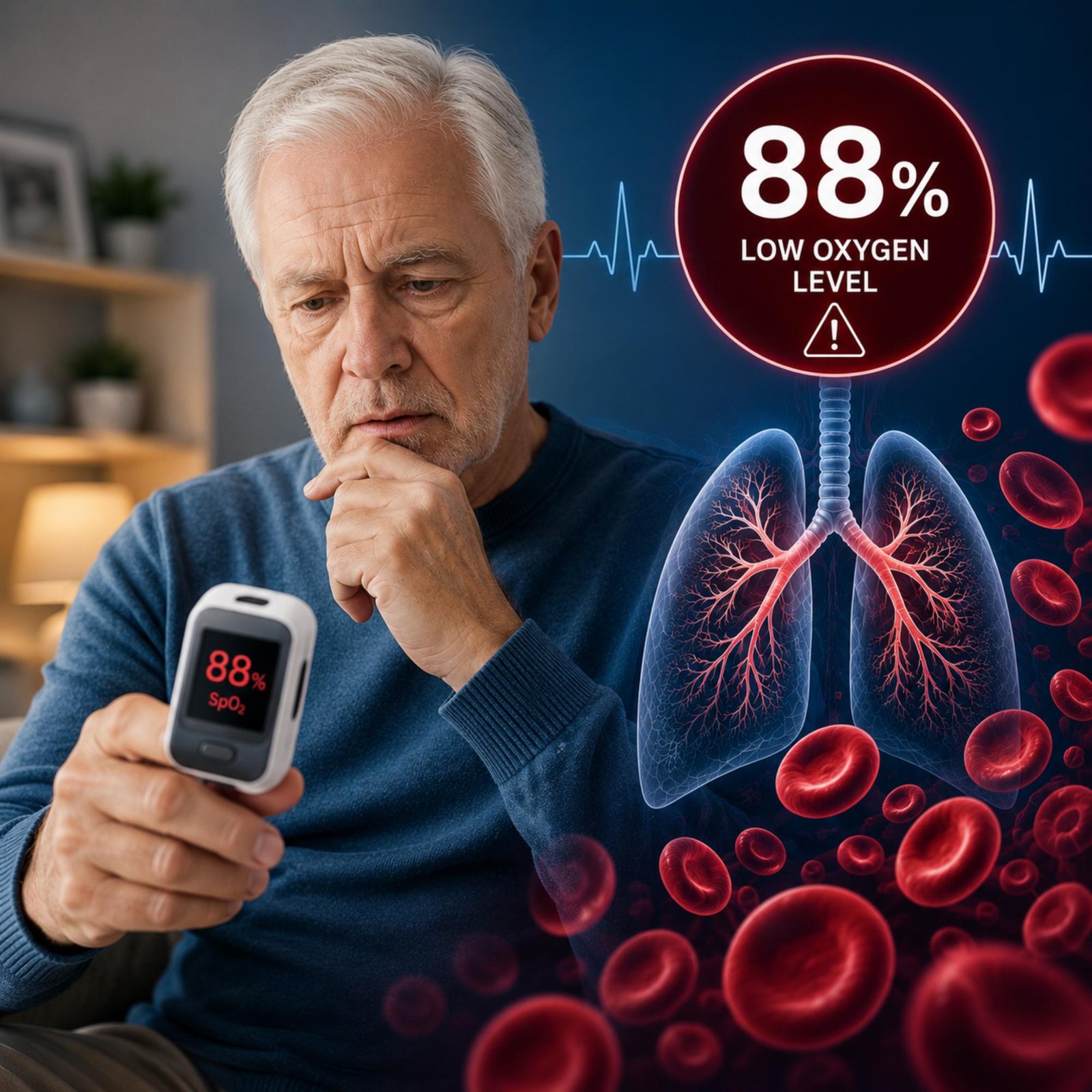



If you’ve ever felt short of breath, unusually tired, or lightheaded, you might have wondered whether your oxygen levels are where they should be. It’s a common concern and for good reason. Oxygen plays a key role in how your body functions, from energy levels to brain clarity.
The good news? In many cases, there are simple and practical ways to support healthy oxygen levels. And when those aren’t enough, there are reliable solutions that can help you stay consistent and comfortable in your daily routine.
Let’s walk through it step by step.
Blood oxygen level often referred to as oxygen saturation (SpO2) measures how much oxygen your red blood cells are carrying.
For most healthy individuals:
These numbers are typically measured using a small device called a pulse oximeter.
It’s important to remember that readings can vary depending on factors like altitude, activity level, or existing health conditions. If something feels off, it’s always worth paying attention.
Low oxygen levels don’t always show up dramatically. Sometimes, the signs are subtle:
If you notice a combination of these symptoms, it’s a good idea to monitor your levels and seek guidance if needed.
Understanding the cause helps you choose the right approach. Some common reasons include:
Sometimes it’s a mix of factors rather than a single cause.
For many people, small lifestyle adjustments can make a noticeable difference.
Slow, deep breathing helps your lungs expand fully and improves oxygen exchange.
Try this:
Even a few minutes a day can help.
Slouching compresses your lungs. Sitting or standing upright gives them more room to function properly.
A simple shift in posture can make breathing feel easier almost instantly.
Spending time outdoors especially in areas with clean air can support better oxygen intake.
Even opening windows or improving indoor ventilation helps.
Your blood carries oxygen, and hydration supports healthy circulation. It’s a small habit that often gets overlooked.
Gentle movement like walking can improve lung efficiency over time. You don’t need intense workouts consistency matters more.
Smoke and airborne irritants reduce how effectively your lungs absorb oxygen. Reducing exposure can make a meaningful difference.
If you’re feeling low on energy or slightly breathless, these quick adjustments may help:
These are short-term strategies, but they can help you stay aware of how your body responds.
Sometimes, lifestyle changes alone aren’t sufficient especially for individuals dealing with ongoing respiratory challenges or fluctuating oxygen levels.
In such cases, having access to consistent oxygen support becomes important, particularly during daily activities or while traveling.
Oxygen therapy is a commonly used approach for maintaining stable oxygen access when needed. There are different types of equipment available depending on lifestyle and usage preferences.
For example, many individuals today prefer solutions that allow them to stay mobile rather than being limited to one place.
In situations where flexibility matters, a portable oxygen concentrator can be a practical option for maintaining access to oxygen throughout the day without interrupting routine activities.
Similarly, for those who are frequently on the move, using an oxygen concentrator designed for travel can help make trips and outings more manageable while keeping things simple and consistent.
Velara Care offers oxygen concentrator solutions that are built with convenience, portability, and everyday usability in mind making it easier to integrate into different lifestyles without unnecessary complexity.
Keeping your oxygen levels stable isn’t about one quick fix—it’s about consistency.
Here are a few habits that help over time:
Small, steady steps often lead to the best outcomes.
Your oxygen levels play a bigger role in your overall well-being than most people realize. The good news is that simple daily habits can go a long way in supporting healthy levels.
And when additional support is needed, having the right tools in place can make daily life feel more manageable and less restrictive.
If you’re ever unsure, it’s always best to stay informed, monitor your symptoms, and take a proactive approach.
Disclaimer:
This content is for informational purposes only and is not intended as medical advice. Always consult a qualified healthcare professional for personalized guidance.
Levels below 90% are generally considered low and may need attention. If readings drop further, it’s important to seek professional guidance.
Water doesn’t directly increase oxygen, but it supports circulation, which helps your body transport oxygen more effectively.
Sitting upright, practicing deep breathing, and getting fresh air are some of the quickest ways to support oxygen intake.
They are designed to provide a steady supply of oxygen, but usage should always align with individual needs and professional advice.
Ever wondered what actually happens when you take a breath?It’s something we do without thinking but behind the scenes, your body is performing a complex
[..] If you’ve ever felt short of breath, unusually tired, or lightheaded, you might have wondered whether your oxygen levels are where they should be. It’s
[..]
Oxygen is something most of us rarely think about until breathing suddenly becomes difficult or a pulse oximeter reading seems lower than expected. In recent
[..]
If you’ve smoked for 20 years, you’ve probably asked yourself this question more than once: “Is the damage permanent?” It’s a fair concern. Two decades
[..]
Hearing that there may be fluid around the lungs can feel unsettling, especially if breathing already feels difficult. While only a qualified healthcare professional can
[..]
If you or a loved one uses supplemental oxygen, one of the most common and practical questions is: how long will an oxygen tank last
[..]