

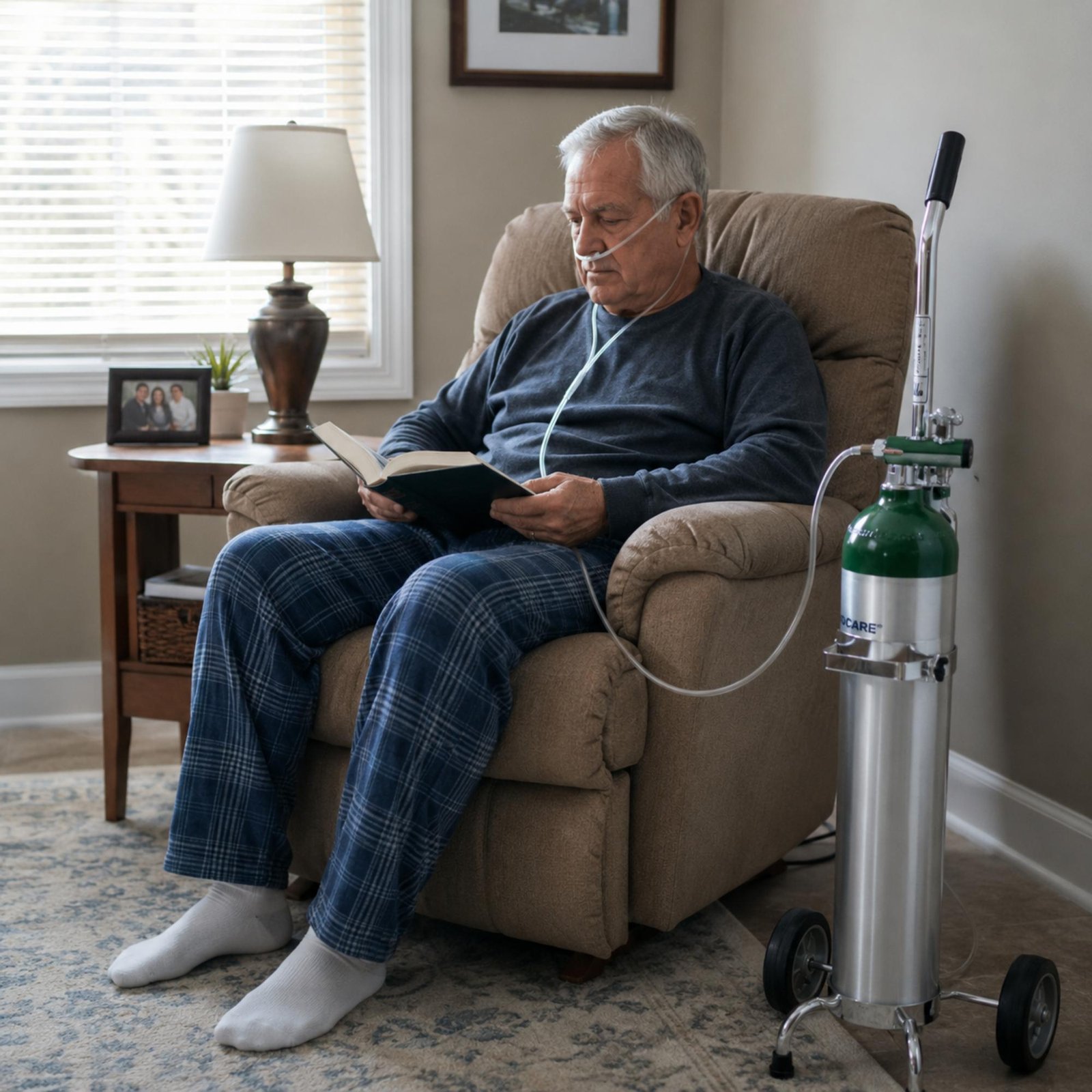
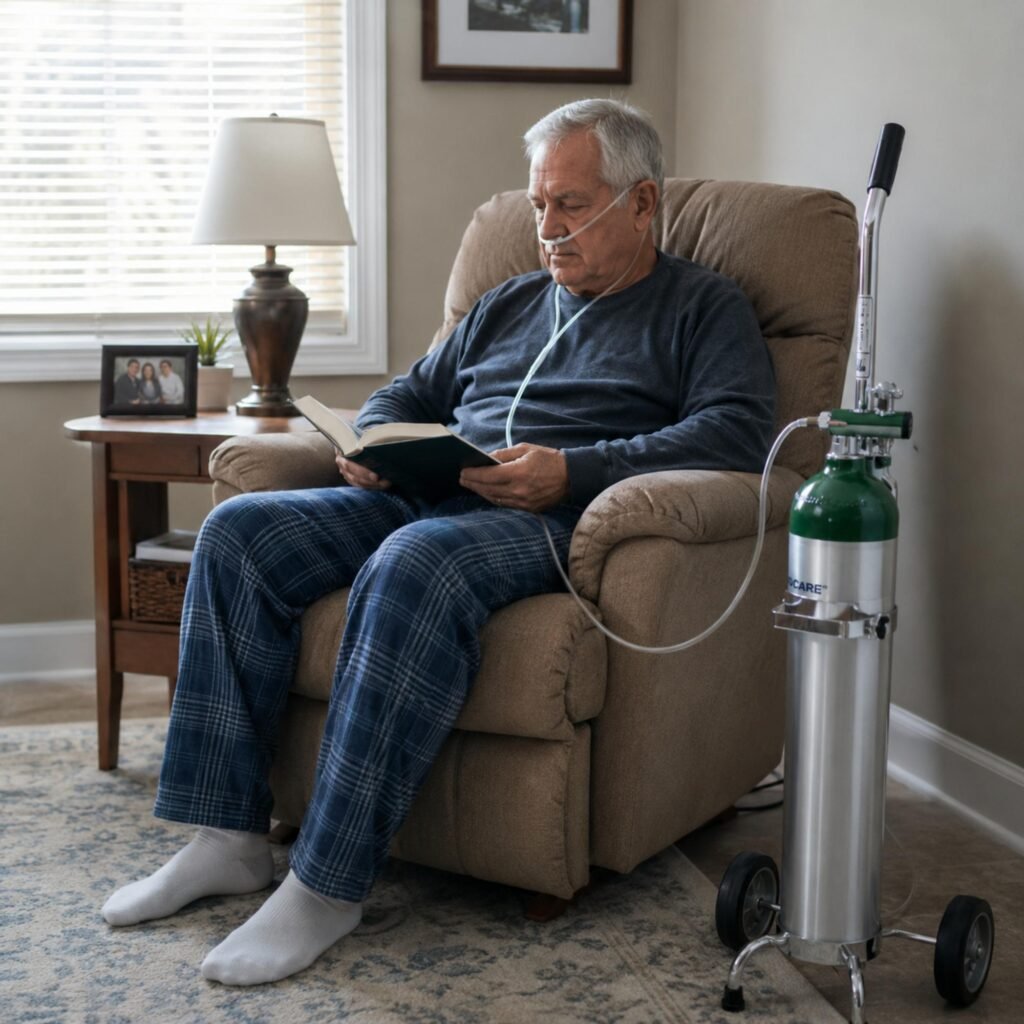
If you or a loved one uses supplemental oxygen, one of the most common and practical questions is: how long will an oxygen tank last at 2 liters per minute?
It’s an important thing to know—especially when planning daily activities, travel, or time away from home.
The short answer is: it depends on the size of the tank. Below, we’ll break it down in simple terms so you can estimate oxygen usage more confidently and understand which oxygen equipment options may better fit your lifestyle.
When oxygen equipment is set to 2 liters per minute (2 LPM), it means the device is delivering two liters of oxygen every minute while it’s in use.
This flow rate is commonly used for continuous oxygen delivery and is often considered a low-to-moderate setting. However, even at 2 LPM, oxygen can be used up faster than people expect—especially when using smaller tanks.
It’s important to remember:
Understanding this helps you better estimate how long a tank may last before needing a refill or replacement.
Oxygen tanks come in different sizes, and each size holds a different amount of compressed oxygen. Below are approximate durations when using oxygen at 2 liters per minute.
| Oxygen Tank Size | Approximate Duration at 2 LPM |
| Small portable tank | 2–3 hours |
| Medium tank | 4–5 hours |
| Large home tank | 6–10 hours |
These time ranges are estimates. Actual duration can vary based on factors like remaining pressure in the tank and how consistently the oxygen is flowing.
Even with the same flow rate, oxygen tanks don’t always last the same amount of time. Several everyday factors can impact usage:
Because of these variables, many people prefer to plan with extra buffer time rather than relying on the shortest possible estimate.
Portable oxygen tanks are designed for mobility and convenience—but their smaller size means they empty more quickly.
Common situations where oxygen runs out sooner than expected include:
This is why many oxygen users keep more than one option available, especially for longer periods away from home.
Both portable oxygen tanks and home oxygen concentrators serve important purposes, and many people use both depending on the situation.
Portable oxygen tanks are often used for:
Home oxygen concentrators are commonly used for:
Unlike tanks, concentrators generate oxygen from the surrounding air, meaning there’s no stored supply to run out. Many individuals find that using a home oxygen concentrator for daily use and a portable oxygen tank for outings offers better flexibility.
At Velara Care in Plano, TX, we provide both portable oxygen tanks and home oxygen concentrators, allowing users to choose equipment that fits their routine rather than adjusting their routine around the equipment.
A little planning can help avoid unexpected interruptions. Before heading out, it’s helpful to:
These simple steps can make a noticeable difference in day-to-day confidence.
For people who use oxygen regularly at home, relying only on tanks can feel limiting. Refills, heavy equipment, and time tracking can become stressful.
In these situations, a home oxygen concentrator may offer a more practical option because it:
Many individuals use concentrators at home while keeping a portable tank available for travel or short outings.
So, how long does an oxygen tank last on 2 liters?
The answer depends mostly on tank size, but planning ahead and understanding your equipment can make daily life much easier.
Many people find that combining a portable oxygen tank for mobility with a home oxygen concentrator for continuous use offers the best balance of convenience and peace of mind.
At Velara Care, based in Plano, Texas, we focus on providing reliable oxygen equipment options to support everyday needs—helping people choose products that fit their lifestyle, not the other way around.
How long does a small oxygen tank last at 2 liters?
A small portable tank typically lasts around 2–3 hours at 2 LPM, depending on usage and remaining pressure.
Can an oxygen concentrator run all day?
Yes, home oxygen concentrators are designed for extended operation since they produce oxygen continuously rather than storing it.
Is a portable oxygen tank better for travel?
Portable tanks are often used for short trips and errands, while concentrators are usually preferred for longer or home-based use.
Do oxygen tanks run out suddenly?
Oxygen tanks don’t stop abruptly, but they can empty faster than expected if the level isn’t checked beforehand.
Ever wondered what actually happens when you take a breath?It’s something we do without thinking but behind the scenes, your body is performing a complex
[..]
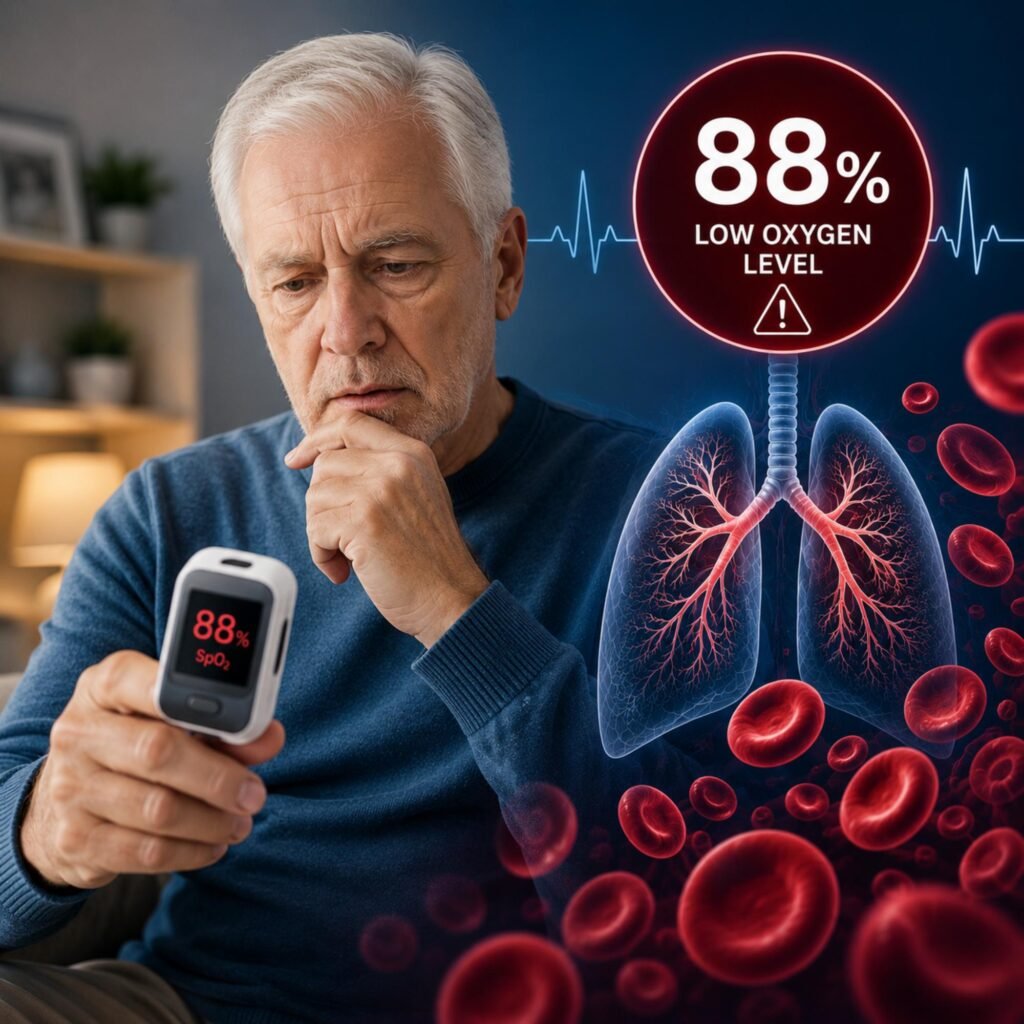
If you’ve ever felt short of breath, unusually tired, or lightheaded, you might have wondered whether your oxygen levels are where they should be. It’s
[..]
Oxygen is something most of us rarely think about until breathing suddenly becomes difficult or a pulse oximeter reading seems lower than expected. In recent
[..]
If you’ve smoked for 20 years, you’ve probably asked yourself this question more than once: “Is the damage permanent?” It’s a fair concern. Two decades
[..]
Hearing that there may be fluid around the lungs can feel unsettling, especially if breathing already feels difficult. While only a qualified healthcare professional can
[..]
If you or a loved one uses supplemental oxygen, one of the most common and practical questions is: how long will an oxygen tank last
[..]