Ever wondered what actually happens when you take a breath?
It’s something we do without thinking but behind the scenes, your body is performing a complex and essential process that keeps you alive every second of the day.
In this guide, we’ll break down what the respiratory system does, how it works, and why it matters especially if you or a loved one has experienced breathing issues.
What Is the Respiratory System?
The respiratory system is the group of organs and tissues that help your body breathe, absorb oxygen, and remove carbon dioxide.
It includes:
- Nose and nasal passages
- Throat (pharynx)
- Voice box (larynx)
- Windpipe (trachea)
- Lungs
- Diaphragm (a muscle that helps control breathing)
Each part plays a role in moving air in and out and making sure your body gets the oxygen it needs.
What Does the Respiratory System Actually Do?
At its core, the respiratory system has three main jobs:
1. Brings Oxygen Into the Body
When you inhale, air enters through your nose or mouth and travels down into your lungs. Oxygen from that air passes into your bloodstream.
2. Removes Carbon Dioxide
Your body produces carbon dioxide as a waste gas. When you exhale, the respiratory system pushes it out.
3. Helps Regulate Your Body
Beyond breathing, your respiratory system also:
- Helps control blood pH levels
- Filters out harmful particles
- Supports your sense of smell
- Allows you to speak
It’s not just about breathing, it’s about keeping your entire body in balance.
How Do the Lungs Work?
Your lungs are the stars of the show.
Inside them are millions of tiny air sacs called alveoli. This is where the real magic happens:
- Oxygen moves from the air sacs into your blood
- Carbon dioxide moves from your blood into the air sacs
This process is called gas exchange and it happens every time you breathe in and out.
What Happens When the Respiratory System Isn’t Working Properly?
When your respiratory system is under stress or affected by illness, your body may not get enough oxygen.
Common signs include:
- Shortness of breath
- Fatigue or low energy
- Rapid breathing
- Difficulty performing daily activities
Conditions like COPD, asthma, or other lung-related issues can make breathing less efficient.
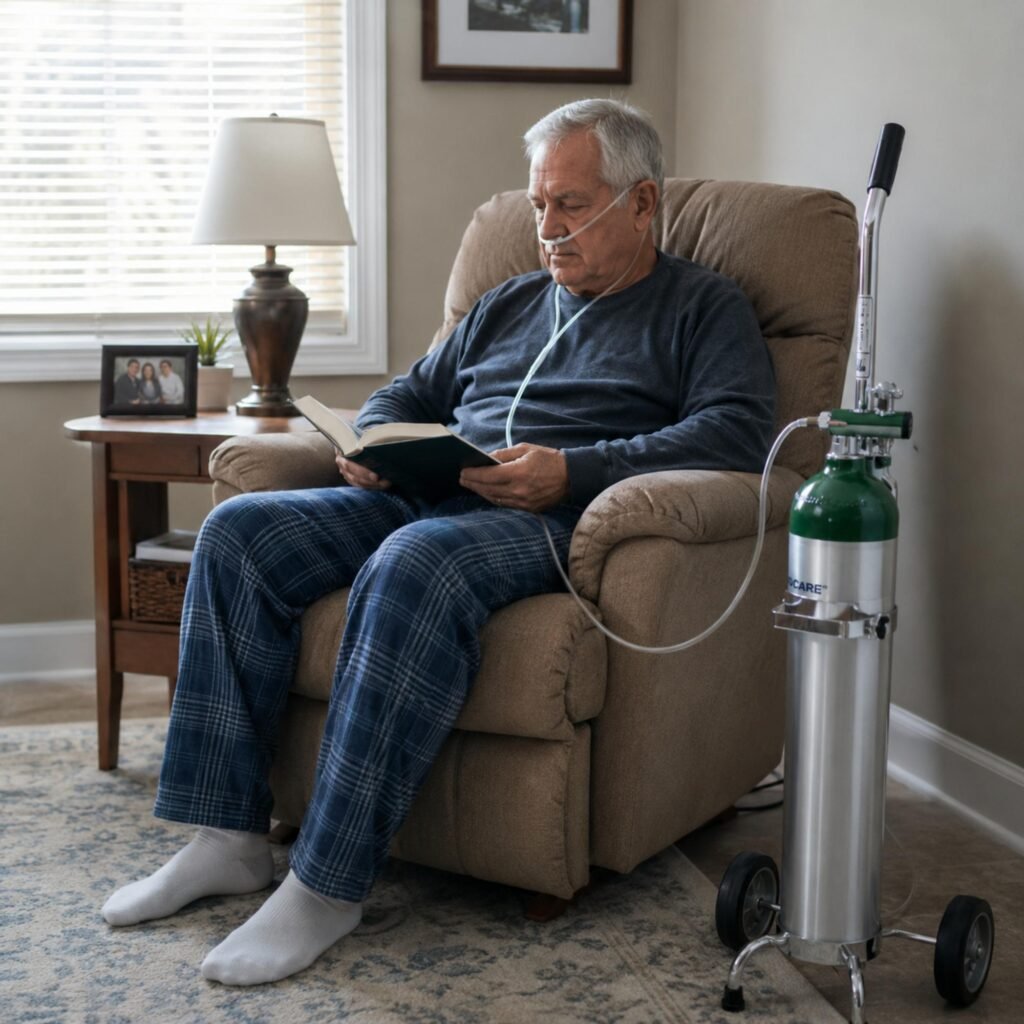
In some cases, healthcare providers may recommend supplemental oxygen to help maintain healthy oxygen levels.
When Is Extra Oxygen Support Needed?
If your lungs can’t deliver enough oxygen on their own, oxygen therapy may be prescribed.
This doesn’t mean your body has stopped working, it simply means it needs a little extra support.
For people who still want to stay active and independent, modern solutions like portable oxygen concentrators can make a real difference. These devices are designed to provide a steady flow of oxygen while allowing users to move around more freely throughout the day.
At Velara Care we focus on making these solutions more accessible and reliable for individuals who need consistent oxygen support without compromising their daily routines.
Why Understanding Your Respiratory System Matters
Knowing how your body works helps you:
- Recognize early warning signs
- Make informed health decisions
- Better understand treatment options
- Support loved ones with respiratory conditions
Even small awareness can lead to better long-term health outcomes.
A Quick Recap
Your respiratory system:
- Brings oxygen into your body
- Removes carbon dioxide
- Keeps your body balanced and functioning
And when it needs support, solutions like oxygen therapy can help people maintain comfort and quality of life.
Final Thoughts
Breathing is something we often take for granted until it becomes difficult.
Understanding how your respiratory system works is the first step toward protecting it. Whether you’re learning for yourself or supporting someone else, having the right knowledge can make all the difference.
Medical Disclaimer
This content is for informational purposes only and does not replace professional medical advice. Always consult a qualified healthcare provider for diagnosis or treatment recommendations.