
If you’ve smoked for 20 years, you’ve probably asked yourself this question more than once:
“Is the damage permanent?”
It’s a fair concern. Two decades of smoking feels like a long time and in many ways, it is. But the human body is remarkably resilient. While not all lung damage can be reversed, meaningful healing can happen even after long-term smoking.
The key is understanding what improves, what doesn’t, and what support may be needed along the way.
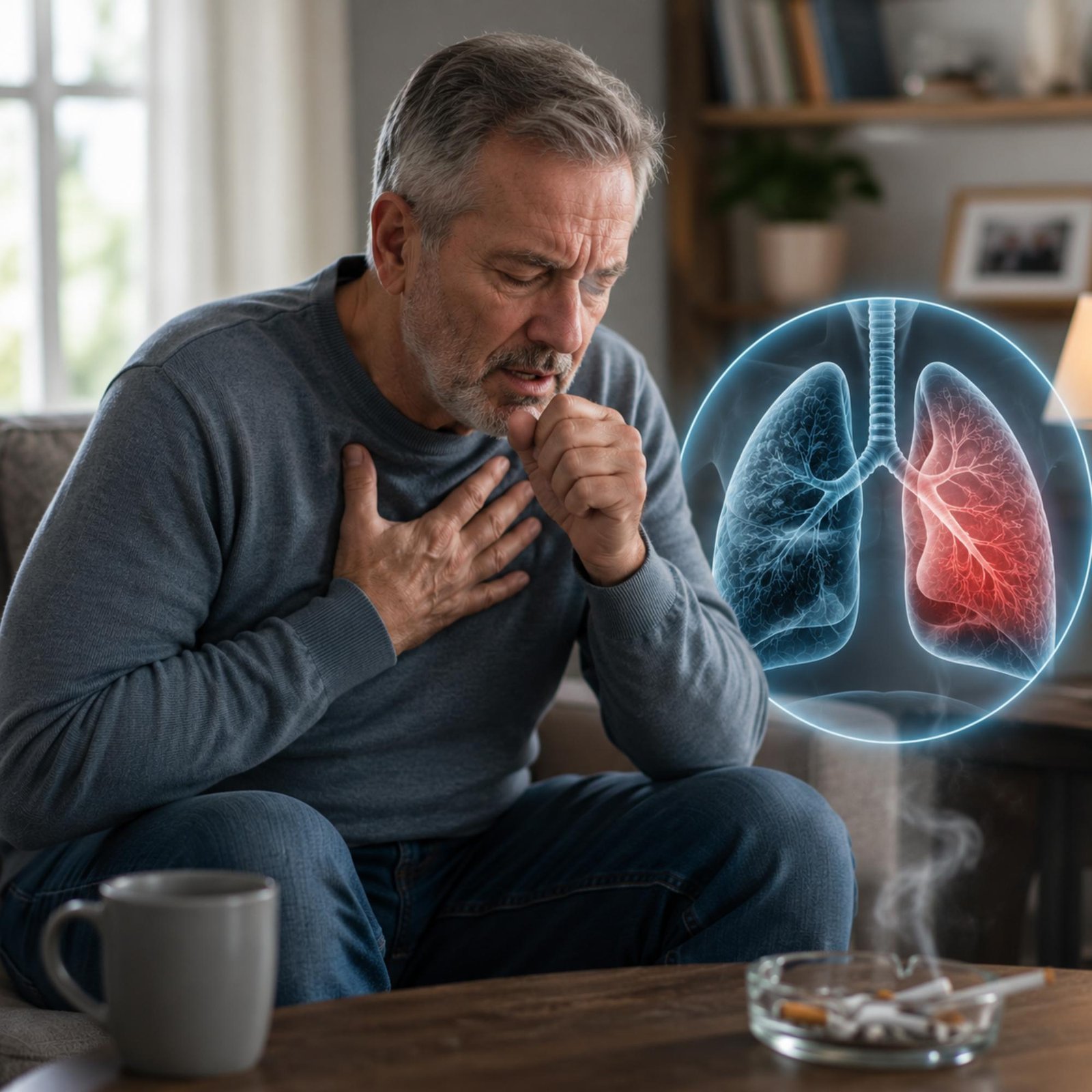
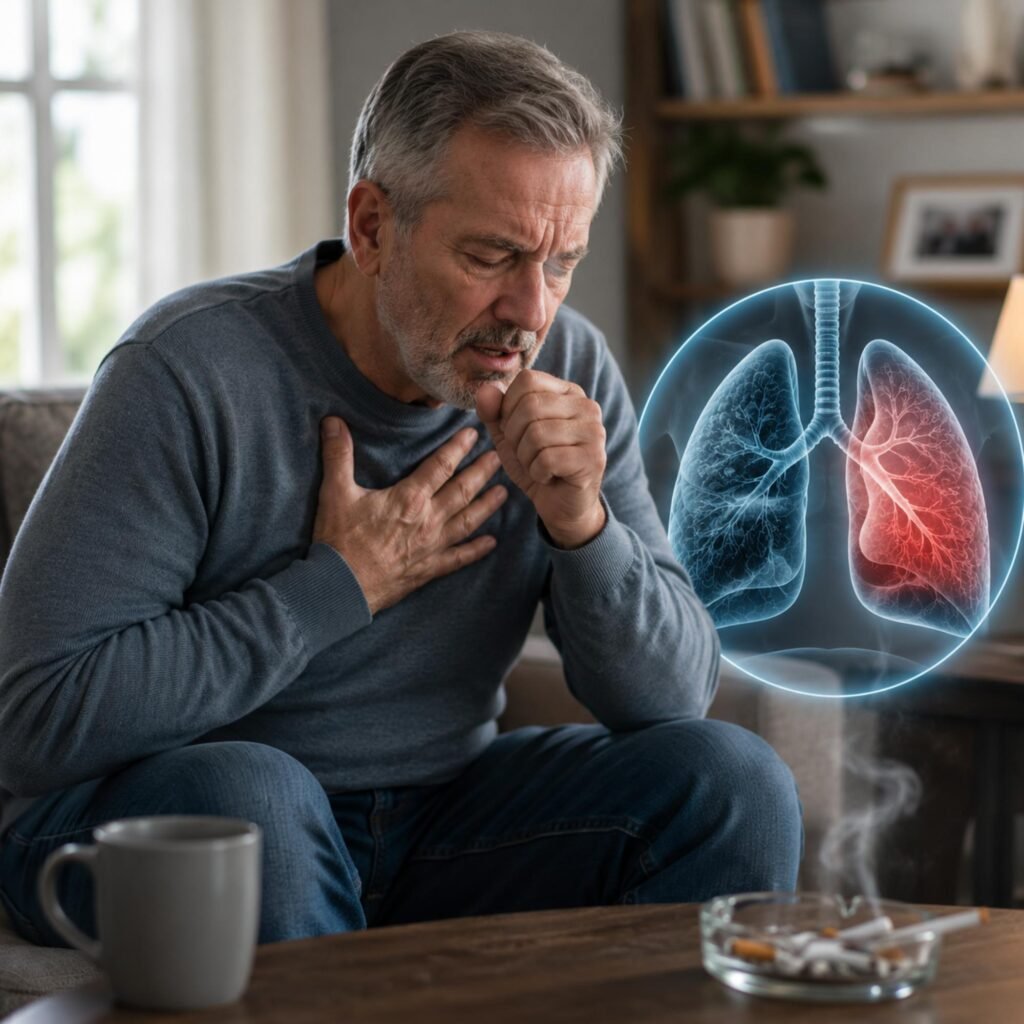
Smoking affects the lungs in several ways:
Over time, this can lead to conditions such as:
According to major health organizations like the CDC and American Lung Association, the severity of damage depends on how long and how heavily a person smoked.
The short answer: Yes but not completely in every case.
The body begins repairing itself almost immediately after quitting smoking.
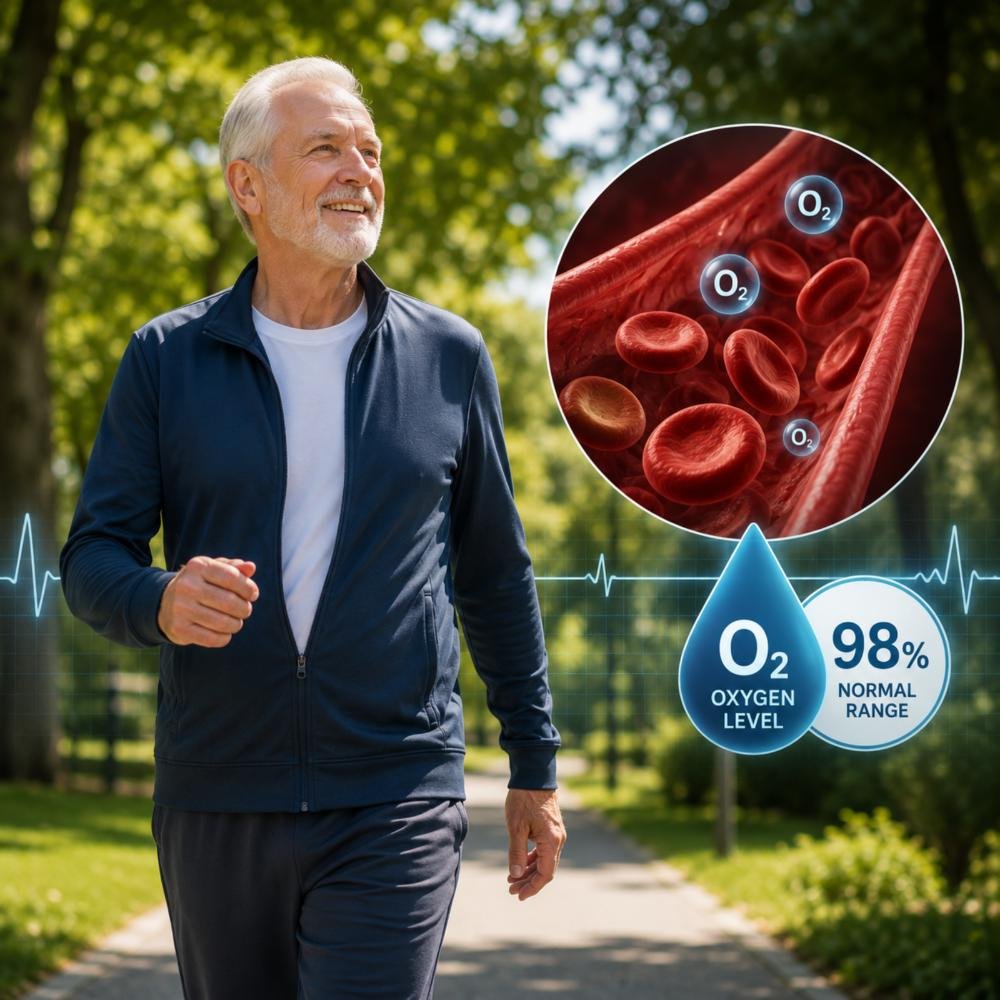
Carbon monoxide levels drop. Oxygen levels in the blood improve.
Circulation improves. Lung function begins to increase. Many people notice breathing feels slightly easier.
Cilia start regrowing and functioning again. Coughing and mucus production often decrease.
Risk of heart disease drops significantly.
Risk of lung cancer declines compared to current smokers, though it may not return to the level of someone who never smoked.
Some damage may be permanent.
For example:
However and this is important even when full reversal isn’t possible, symptoms can still improve, and progression can slow dramatically after quitting.
That alone can significantly improve quality of life.
Many former smokers report:
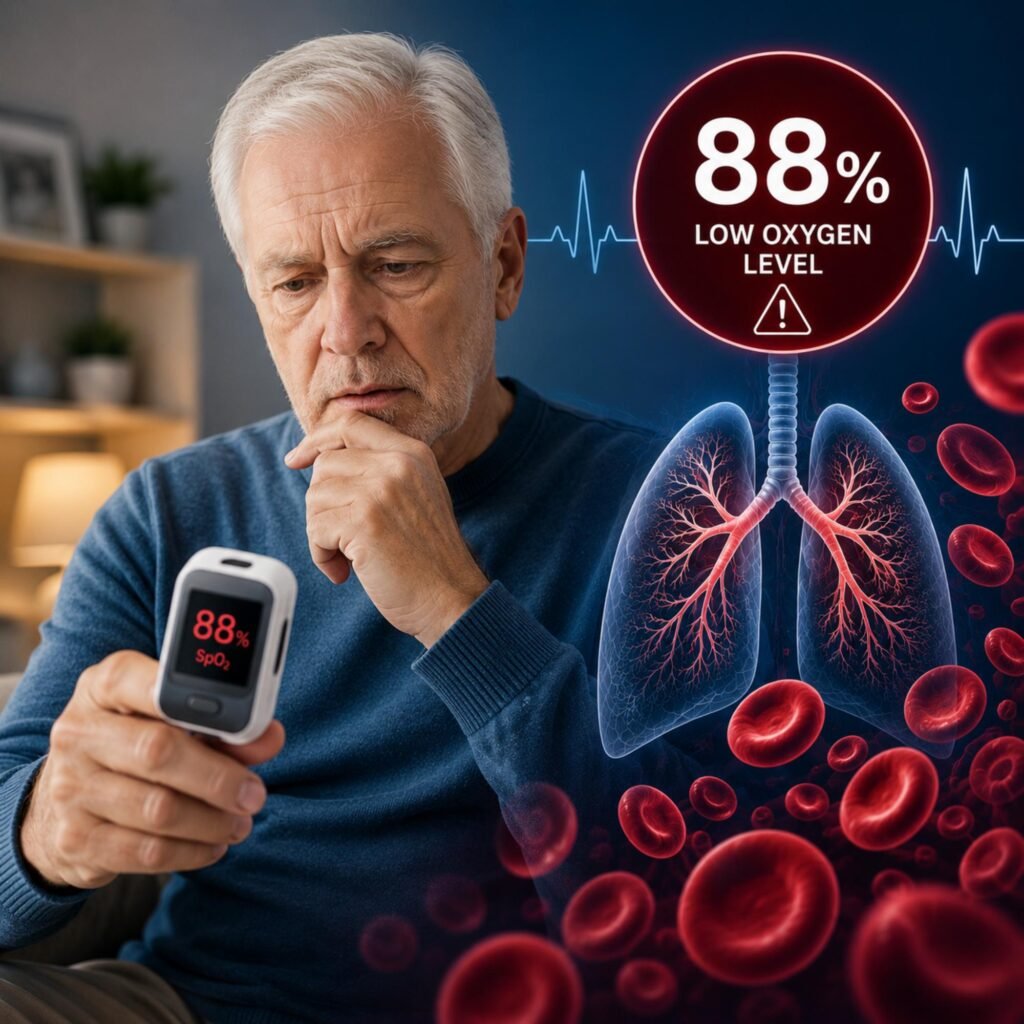
Doctors often confirm improvement through pulmonary function tests or oxygen level monitoring.
While there’s no shortcut, these habits support recovery:
Medical supervision is especially important if symptoms like shortness of breath persist.
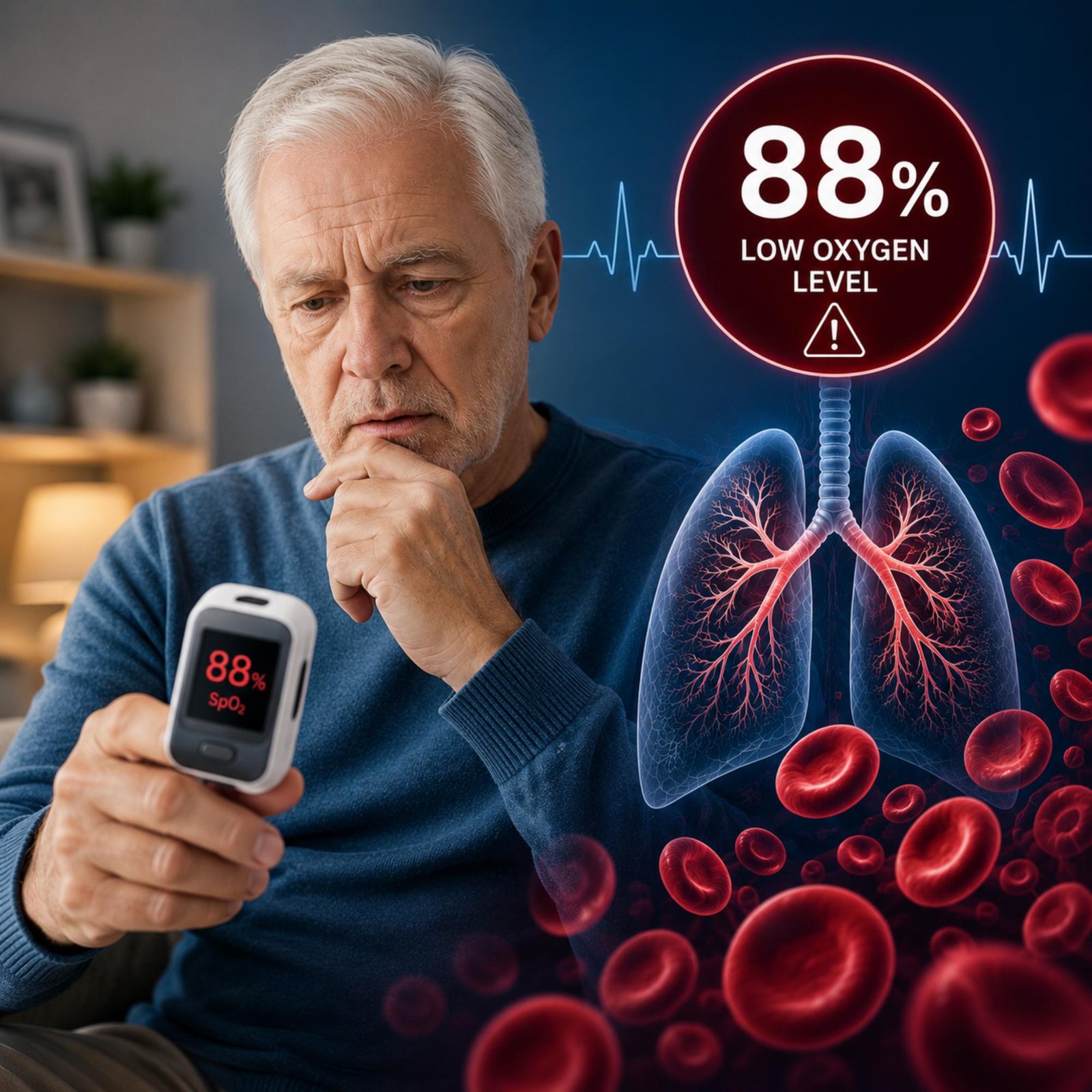
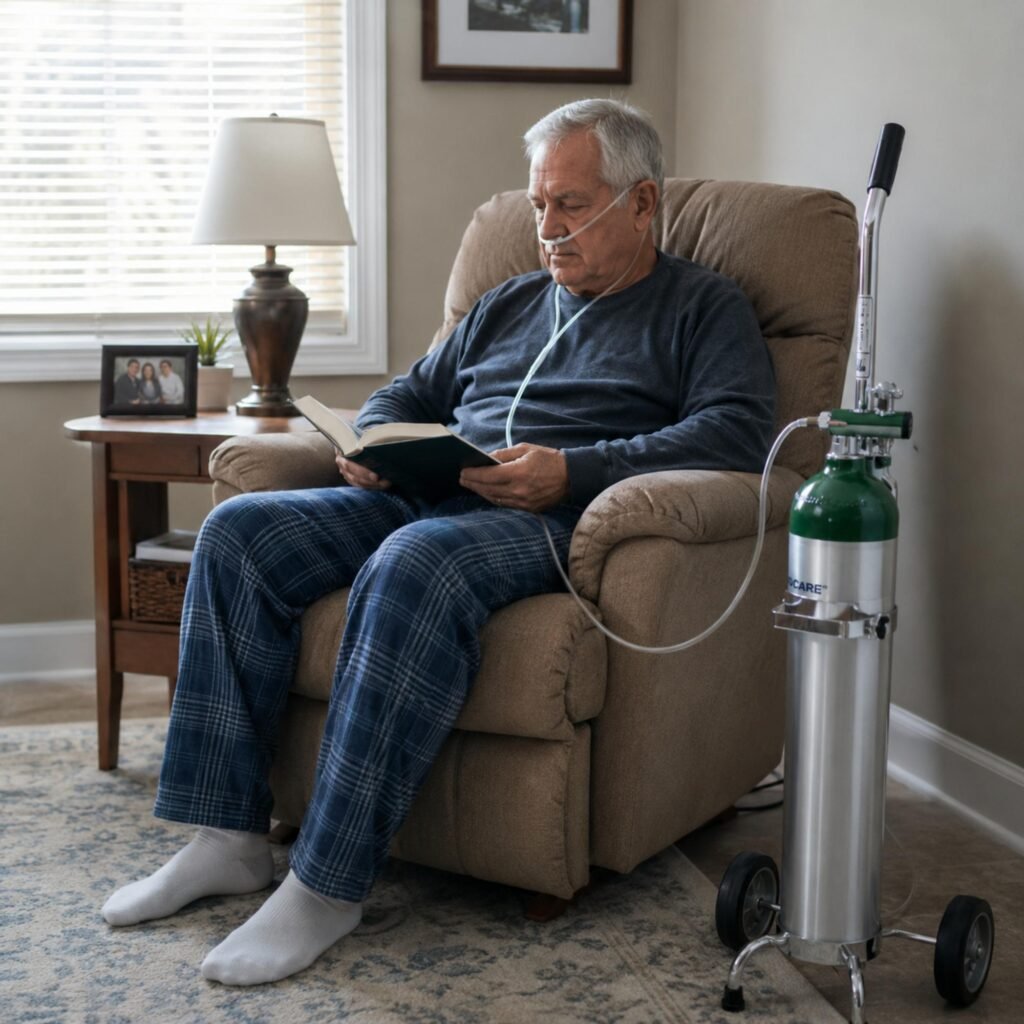
In some long-term smokers, especially those diagnosed with COPD, blood oxygen levels may drop below normal.
When this happens, physicians sometimes prescribe supplemental oxygen therapy to maintain adequate oxygen saturation.
It’s important to understand:
Oxygen therapy does not heal lung damage.
It supports the body by ensuring organs receive enough oxygen.
Depending on lifestyle needs, patients may use:
Modern oxygen systems are designed to improve comfort and independence particularly for individuals managing reduced lung capacity under medical guidance.
Velara Care provides oxygen equipment prescribed by healthcare professionals, helping patients maintain daily activity and mobility when oxygen support is recommended.
Even if some lung damage remains, many former smokers live long, active lives.
Quitting smoking:
It is never too late to quit. Even after two decades, your body responds positively.
The earlier you stop, the more healing can occur but meaningful improvement is possible at almost any stage.
If you’ve smoked for 20 years and are thinking about quitting or already have that decision matters.
Your lungs may not return to the condition they were in before smoking, but they can improve. And for many people, that improvement is life-changing.
If you’re experiencing persistent breathlessness, consult a healthcare provider for proper evaluation and guidance.
This article is for educational purposes only and is not a substitute for professional medical advice, diagnosis, or treatment. Always consult a qualified healthcare provider regarding any respiratory condition.
Some healing occurs, especially in airway function and circulation. However, structural damage like emphysema may not fully reverse.
COPD is not curable, but quitting smoking can slow its progression significantly and improve symptoms.
Many people notice improvement within weeks, with continued progress over several months.
No. Oxygen therapy supports oxygen levels in the blood but does not repair lung tissue.
Yes. Quitting smoking reduces health risks substantially, even after long-term use.
Ever wondered what actually happens when you take a breath?It’s something we do without thinking but behind the scenes, your body is performing a complex
[..]
If you’ve ever felt short of breath, unusually tired, or lightheaded, you might have wondered whether your oxygen levels are where they should be. It’s
[..]
Oxygen is something most of us rarely think about until breathing suddenly becomes difficult or a pulse oximeter reading seems lower than expected. In recent
[..]
If you’ve smoked for 20 years, you’ve probably asked yourself this question more than once: “Is the damage permanent?” It’s a fair concern. Two decades
[..]
Hearing that there may be fluid around the lungs can feel unsettling, especially if breathing already feels difficult. While only a qualified healthcare professional can
[..]
If you or a loved one uses supplemental oxygen, one of the most common and practical questions is: how long will an oxygen tank last
[..]