

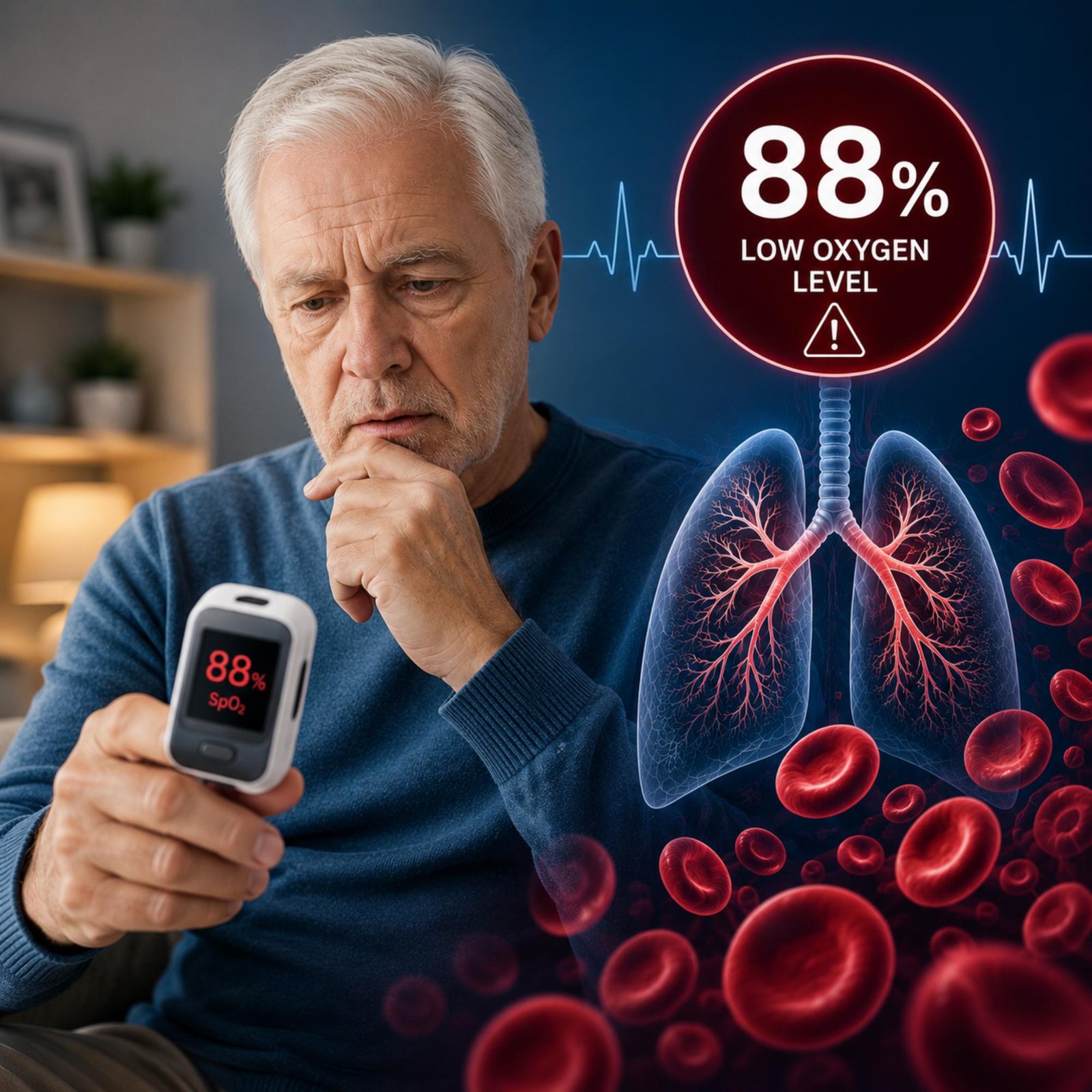
Oxygen is something most of us rarely think about until breathing suddenly becomes difficult or a pulse oximeter reading seems lower than expected. In recent years, more people have started checking their oxygen levels at home, especially those managing respiratory conditions or recovering from illness.
But when the numbers on a pulse oximeter drop, it’s natural to wonder: what level is actually considered dangerous?
Understanding oxygen saturation levels can help people recognize potential warning signs and know when it may be time to seek professional medical guidance. This article explains what oxygen levels mean, what ranges are generally considered normal, and why some people require additional oxygen support as part of their care.
Oxygen saturation often written as SpO₂ refers to the percentage of oxygen carried in the blood. Red blood cells transport oxygen from the lungs to the rest of the body, allowing organs and tissues to function properly.
A small device called a pulse oximeter is commonly used to estimate oxygen saturation. It clips onto a fingertip and uses light sensors to measure how much oxygen is circulating in the bloodstream.
Healthcare professionals often monitor oxygen saturation to better understand how efficiently the lungs are delivering oxygen to the body. Organizations such as the American Lung Association highlight the importance of maintaining healthy oxygen levels, particularly for people living with respiratory conditions.
For most healthy adults, oxygen saturation typically falls within the following general ranges:
| Oxygen Saturation | General Meaning |
| 95–100% | Typical range for healthy individuals |
| 91–94% | Slightly below normal |
| 90% or below | Often considered low oxygen levels |
It’s important to note that these numbers are general guidelines. Oxygen levels can vary depending on a person’s health status, age, or underlying respiratory conditions.
For example, individuals living with conditions such as Chronic Obstructive Pulmonary Disease may naturally have slightly lower oxygen readings than people without lung disease.
Because of these differences, healthcare providers typically interpret oxygen readings within the context of a patient’s medical history.
In many clinical settings, oxygen saturation levels below 90 percent are considered low. When oxygen levels fall significantly below this range, the body may struggle to deliver enough oxygen to vital organs.
However, oxygen readings should always be interpreted by qualified healthcare professionals, since what is considered concerning can vary from person to person.
If oxygen levels drop substantially or remain lower than usual for extended periods, medical evaluation is generally recommended to determine the underlying cause and appropriate care.
When oxygen levels decrease, the body may produce noticeable symptoms. These symptoms can vary depending on how quickly oxygen levels change and the individual’s overall health.
Some commonly reported signs include:
These symptoms can occur in a variety of respiratory illnesses, including infections like COVID-19 or conditions such as Sleep Apnea.
Because symptoms alone cannot determine the exact cause, medical professionals usually rely on clinical evaluation and monitoring tools to better understand what is happening in the body.
Several factors can affect how well oxygen moves from the lungs into the bloodstream. Some of the more common contributors include:
Chronic lung diseases can make it harder for the lungs to transfer oxygen efficiently.
Illnesses that affect the lungs may temporarily reduce oxygen levels while the body recovers.
Conditions that interrupt breathing during sleep can cause oxygen levels to fluctuate overnight.
At higher elevations, the air contains less oxygen, which may temporarily lower oxygen saturation levels.
Blood flow problems can also affect how oxygen is delivered throughout the body.
Understanding these factors helps explain why oxygen readings may change from time to time.
Many individuals with chronic respiratory conditions monitor their oxygen levels at home using a pulse oximeter. This allows them to observe patterns and share readings with their healthcare provider during routine checkups.
Home monitoring can sometimes provide helpful insights into how oxygen levels change during daily activities such as walking, sleeping, or exercising.
However, oxygen readings should always be interpreted within the broader context of overall health, which is why medical professionals typically guide patients on how to monitor and understand their readings.
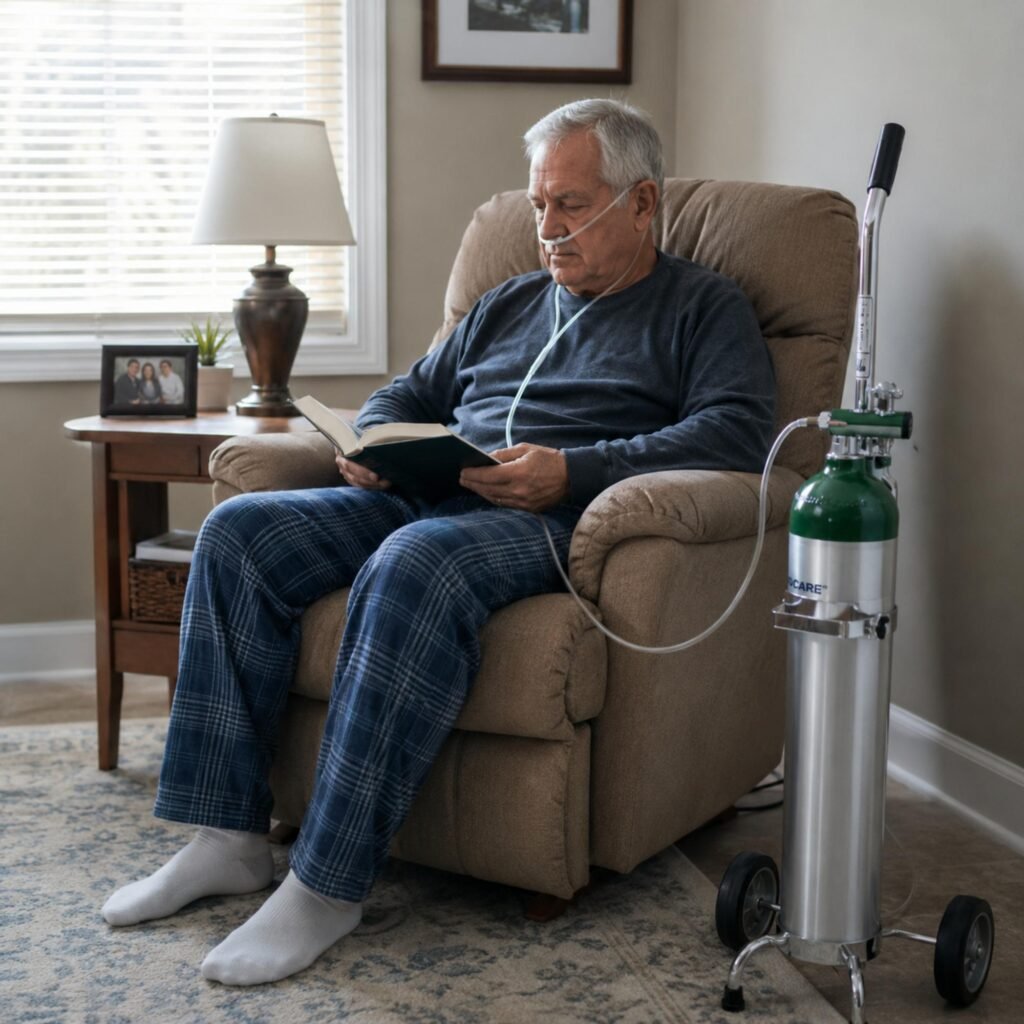
In some situations, healthcare providers may recommend supplemental oxygen therapy to help ensure the body receives enough oxygen.
Oxygen therapy delivers additional oxygen through specialized equipment, allowing individuals with certain respiratory conditions to maintain healthier oxygen levels during daily life.
Velara Care is a trusted respiratory care provider that offers oxygen therapy equipment designed to support patients who require supplemental oxygen as part of their treatment plan.
The type of equipment used can vary depending on a person’s lifestyle, mobility needs, and the level of oxygen support recommended by their healthcare provider.
Modern oxygen therapy equipment has become increasingly adaptable, making it easier for individuals to stay active while managing respiratory conditions.
Some individuals prefer the flexibility of a Portable Oxygen Concentrator, which allows them to move around more freely while still receiving oxygen support.
These compact devices are often designed to be lightweight and easy to carry, helping people maintain mobility during everyday activities.
Travel can sometimes feel challenging for individuals who rely on oxygen therapy. Specialized equipment designed as an Oxygen Concentrator for Travel can help patients maintain oxygen support while flying or traveling long distances.
These devices are typically built with portability and convenience in mind.
For individuals who spend more time at home, a Home Oxygen Concentrator may provide a reliable source of continuous oxygen support. These systems are commonly used in home environments where consistent oxygen delivery is needed throughout the day or night.
Each type of oxygen concentrator serves a different purpose, which is why healthcare providers typically help patients determine which solution best fits their daily routine.
Maintaining healthy oxygen levels often involves a combination of medical care and everyday lifestyle habits.
Some general practices that may support respiratory health include:
These steps can help individuals better understand their respiratory health and maintain overall well-being.
If oxygen readings appear consistently lower than usual or symptoms such as shortness of breath become more noticeable, it is important to speak with a qualified healthcare professional.
Medical providers can evaluate oxygen levels alongside other health indicators and determine whether further testing or treatment may be appropriate.
Because oxygen levels can vary depending on individual circumstances, professional evaluation is the best way to understand what a particular reading may mean.
Oxygen saturation is an important indicator of how effectively the body is receiving oxygen. While most healthy individuals maintain oxygen levels within a typical range, certain conditions can cause levels to drop.
Understanding what oxygen readings mean can help individuals stay informed about their respiratory health and recognize when it may be helpful to seek medical advice.
For individuals who require supplemental oxygen as part of their care plan, providers such as Velara Care offer oxygen therapy solutions designed to support daily breathing needs while maintaining comfort and mobility.
Medical Disclaimer:
This article is intended for informational purposes only and should not be considered medical advice. Always consult a qualified healthcare professional regarding oxygen levels, respiratory symptoms, or treatment decisions.
Ever wondered what actually happens when you take a breath?It’s something we do without thinking but behind the scenes, your body is performing a complex
[..]
If you’ve ever felt short of breath, unusually tired, or lightheaded, you might have wondered whether your oxygen levels are where they should be. It’s
[..]
Oxygen is something most of us rarely think about until breathing suddenly becomes difficult or a pulse oximeter reading seems lower than expected. In recent
[..]
If you’ve smoked for 20 years, you’ve probably asked yourself this question more than once: “Is the damage permanent?” It’s a fair concern. Two decades
[..]
Hearing that there may be fluid around the lungs can feel unsettling, especially if breathing already feels difficult. While only a qualified healthcare professional can
[..]
If you or a loved one uses supplemental oxygen, one of the most common and practical questions is: how long will an oxygen tank last
[..]