



Hearing that there may be fluid around the lungs can feel unsettling, especially if breathing already feels difficult. While only a qualified healthcare professional can diagnose the cause, understanding why fluid can build up around the lungs helps many people feel more informed and prepared when speaking with their doctor.
In this article, we’ll explain what fluid around the lungs means, the most common causes, symptoms people often notice, and how breathing support may be part of a doctor-guided care plan.
Fluid around the lungs is commonly referred to as pleural effusion. The lungs sit inside the chest cavity and are surrounded by a thin lining called the pleura. Between these layers is a small amount of fluid that helps the lungs move smoothly as you breathe.
Problems arise when too much fluid collects in this space, making it harder for the lungs to expand fully. This can lead to discomfort or shortness of breath, depending on the amount of fluid and the underlying cause.
There isn’t one single cause of fluid buildup around the lungs. It often develops as a result of another condition affecting the heart, lungs, or other organs.
Heart conditions that affect how blood circulates through the body can sometimes cause fluid to leak into surrounding tissues, including the space around the lungs. This type of fluid buildup is often linked to pressure changes in the blood vessels.
Infections such as pneumonia can trigger inflammation in the lungs and surrounding tissues. As the body responds to infection, excess fluid may accumulate around the lungs.
Chest injuries, recent surgeries, or physical trauma can lead to fluid buildup as part of the body’s natural healing response.
The liver and kidneys help regulate fluid levels in the body. When they are not functioning properly, fluid can accumulate in different areas, including around the lungs.
Some cancers may cause pleural effusion either directly or indirectly. The presence and amount of fluid varies widely from person to person.
Important note: The cause of fluid around the lungs cannot be determined without proper medical evaluation. Symptoms and severity differ significantly between individuals.
The symptoms associated with fluid around the lungs depend on how much fluid is present and how quickly it develops. Some people may have mild symptoms, while others notice more significant breathing difficulty.
Common symptoms include:
If symptoms worsen or appear suddenly, medical attention should be sought promptly.
Healthcare providers may use a combination of physical exams and imaging tests to identify fluid around the lungs. These can include chest X-rays, ultrasounds, or other scans that help visualize the lungs and surrounding areas.
The goal is not only to confirm the presence of fluid but also to understand why it is there, which guides further medical decisions.
For some people, fluid around the lungs can make everyday activities feel more tiring due to reduced airflow or breathing efficiency. While treatment decisions are always made by healthcare professionals, managing breathing comfort can be an important part of daily life.
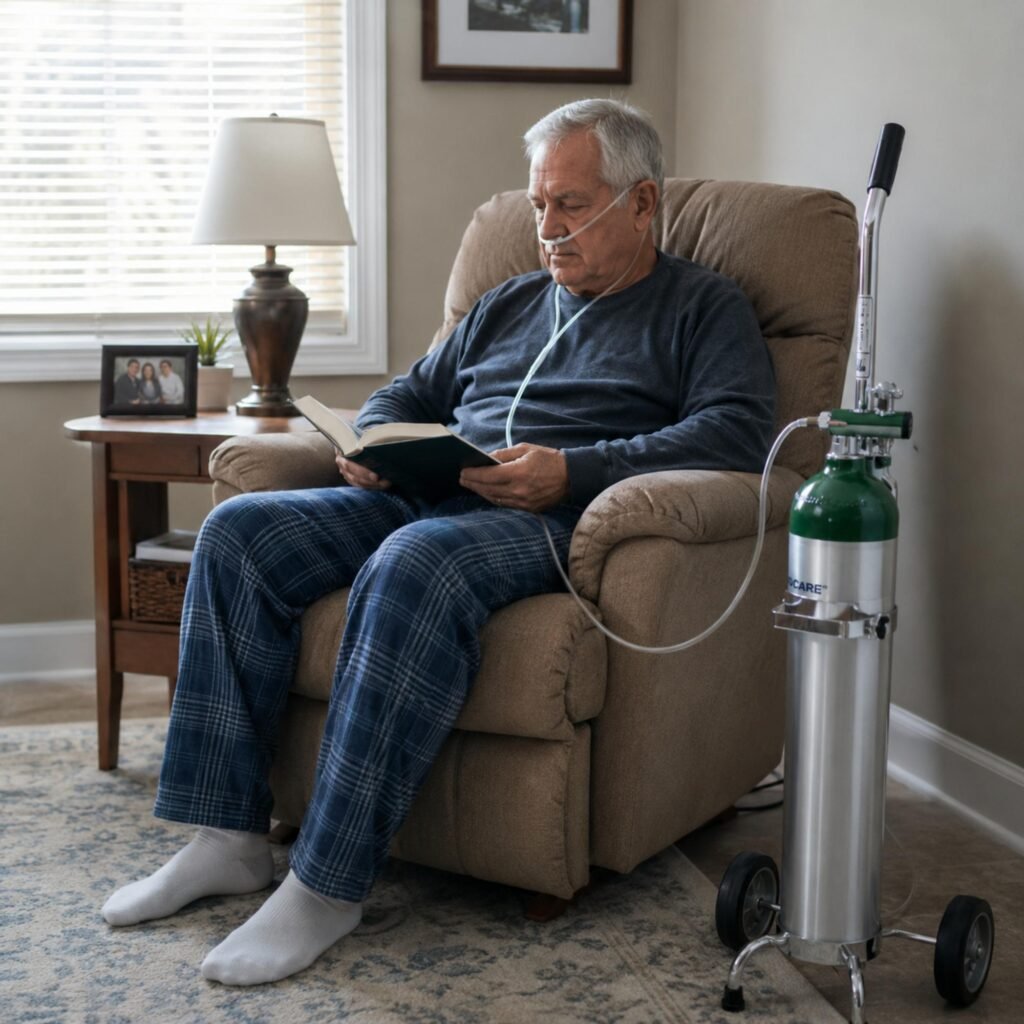
In certain situations, a doctor may prescribe supplemental oxygen to help maintain healthy oxygen levels. Oxygen therapy does not treat the underlying cause of fluid around the lungs, but it may help support breathing comfort when medically appropriate.
When oxygen is prescribed, patients may use different types of equipment depending on their needs and lifestyle.
For example:
Velara Care focuses on providing reliable oxygen equipment and respiratory products to individuals who have already received guidance and prescriptions from their healthcare providers.
Fluid around the lungs should always be evaluated by a medical professional. Seek immediate care if you experience:
Early evaluation can help doctors identify the cause and determine the most appropriate next steps.
If oxygen therapy becomes part of a doctor-recommended care plan, having dependable equipment matters. Velara Care provides portable oxygen tanks and home oxygen concentrators designed to support comfort, mobility, and ease of use — always following medical guidance.
This article is for informational purposes only and does not provide medical advice. Always consult a qualified healthcare professional for diagnosis, treatment decisions, and oxygen prescriptions.
Not always, but it should never be ignored. The seriousness depends on the underlying cause and the amount of fluid present.
In some cases, it may resolve as the underlying condition improves. In other cases, medical intervention may be necessary. Only a healthcare provider can determine this.
No. Oxygen use depends on oxygen levels and overall health, not just the presence of fluid. Oxygen is used only when prescribed by a doctor.
When prescribed, oxygen equipment can help support breathing by ensuring adequate oxygen levels. It does not treat the cause of fluid buildup.
Ever wondered what actually happens when you take a breath?It’s something we do without thinking but behind the scenes, your body is performing a complex
[..]
If you’ve ever felt short of breath, unusually tired, or lightheaded, you might have wondered whether your oxygen levels are where they should be. It’s
[..]
Oxygen is something most of us rarely think about until breathing suddenly becomes difficult or a pulse oximeter reading seems lower than expected. In recent
[..]
If you’ve smoked for 20 years, you’ve probably asked yourself this question more than once: “Is the damage permanent?” It’s a fair concern. Two decades
[..] Hearing that there may be fluid around the lungs can feel unsettling, especially if breathing already feels difficult. While only a qualified healthcare professional can
[..]
If you or a loved one uses supplemental oxygen, one of the most common and practical questions is: how long will an oxygen tank last
[..]