

If you’ve recently stopped vaping—or you’re thinking about quitting—it’s natural to wonder what happens next. One of the most common questions people ask is: how long does it take for your lungs to heal from vaping?
The answer isn’t the same for everyone. Lung recovery depends on several factors, including how long you vaped, how often, and your overall respiratory health. The good news is that the lungs are remarkably resilient, and many people notice gradual improvements once vaping stops.
This article breaks down what lung healing typically looks like over time, what may help support breathing comfort during recovery, and when it’s important to seek professional guidance.
Vaping introduces heated aerosols into the lungs that may contain nicotine, flavoring chemicals, and other substances. Over time, this exposure can irritate the airways and make breathing feel less comfortable for some people.
Common effects people report include:
These effects don’t always appear immediately, which is why many people don’t notice changes until they’ve been vaping for a while.
Yes, in many cases, the lungs can begin to recover once vaping stops. The body has built-in repair mechanisms that slowly work to reduce irritation and improve airflow.
Recovery depends on factors such as:
For some people, changes feel subtle at first. For others, improvements are more noticeable within weeks.
While everyone’s experience is different, many people notice recovery in stages.
During the first two to four weeks, your lungs may begin clearing out irritants. Some people notice:
This phase can feel uncomfortable for some, but it’s often part of the adjustment process.
As the weeks pass, airway irritation may continue to decrease. Many people report:
Oxygen exchange in the lungs may gradually become more efficient during this time.
Longer-term improvements often happen slowly. Over several months, people may notice:
For those who vaped heavily or for a long time, recovery may take longer and improvements may feel more gradual.
While the lungs heal naturally over time, certain habits and environmental factors can make daily breathing feel more manageable.
Helpful approaches may include:
Some individuals also find that maintaining steady oxygen levels during rest or daily activities helps them feel more comfortable while their lungs adjust. In these cases, oxygen support products—such as portable or home oxygen concentrators—may be used as part of everyday breathing support, depending on personal needs and guidance from a healthcare professional.
Velara Care provides portable oxygen concentrators designed to support consistent oxygen delivery for daily comfort and mobility. These products are intended to support breathing needs, not to treat or cure any condition.
If breathing discomfort, chest tightness, or shortness of breath continues or worsens after quitting vaping, it’s important to consult a qualified healthcare professional. Persistent symptoms should never be ignored, especially if they interfere with daily life or sleep.
For many people, quitting vaping is a positive step toward better respiratory comfort. Lung recovery is usually gradual, not instant, and patience plays a big role.
Over time, people often notice:
Supporting your lungs with healthy habits and the right environment can make the recovery process feel more manageable.
Healing from vaping doesn’t happen overnight, but the lungs are capable of meaningful recovery. Understanding what to expect—and focusing on comfort, consistency, and healthy habits—can make the journey feel less overwhelming.
Ever wondered what actually happens when you take a breath?It’s something we do without thinking but behind the scenes, your body is performing a complex
[..]
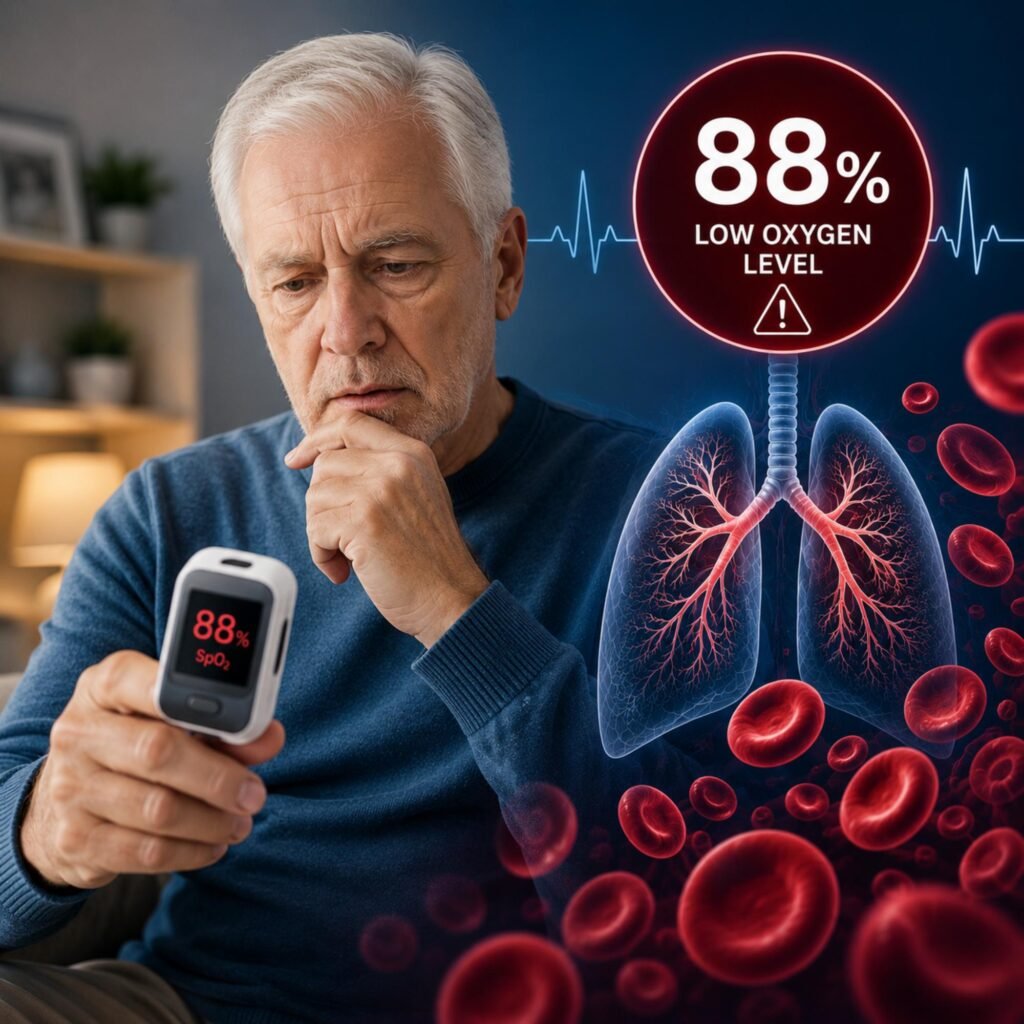
If you’ve ever felt short of breath, unusually tired, or lightheaded, you might have wondered whether your oxygen levels are where they should be. It’s
[..]
Oxygen is something most of us rarely think about until breathing suddenly becomes difficult or a pulse oximeter reading seems lower than expected. In recent
[..]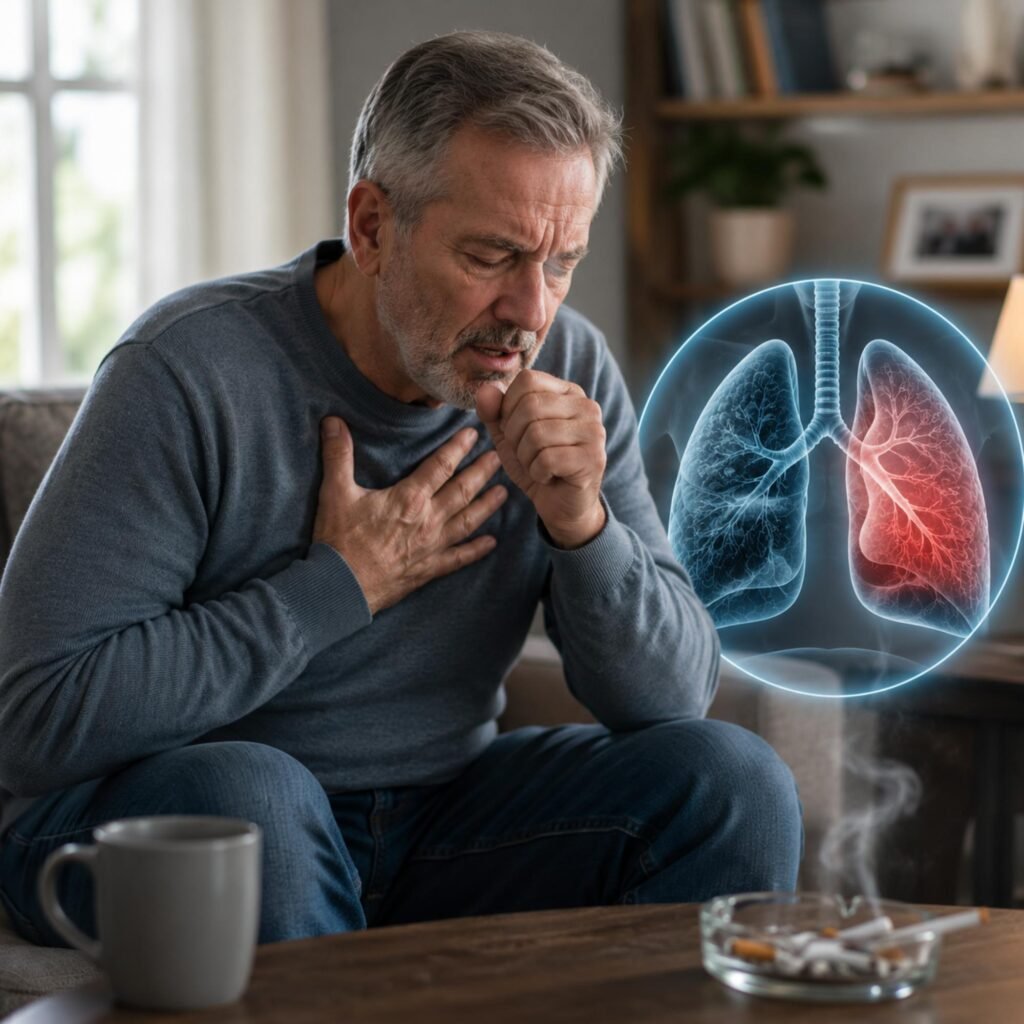
If you’ve smoked for 20 years, you’ve probably asked yourself this question more than once: “Is the damage permanent?” It’s a fair concern. Two decades
[..]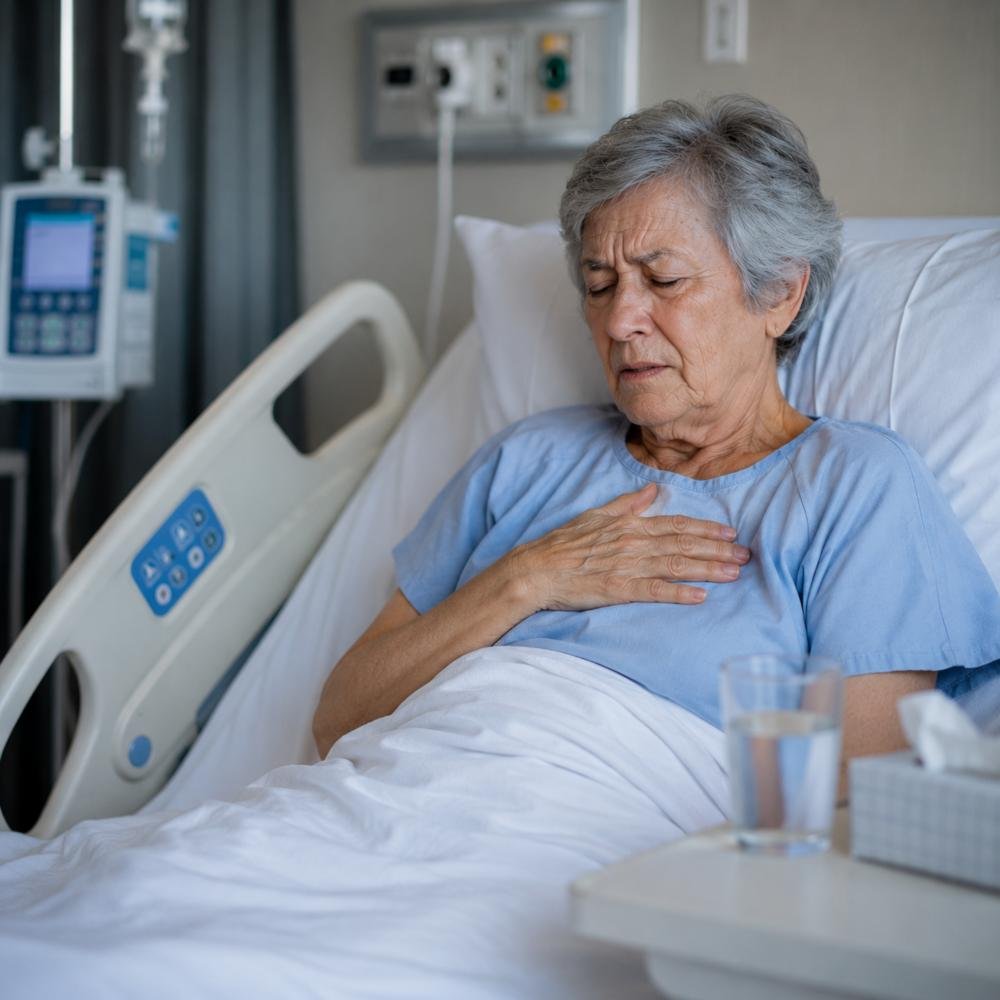
Hearing that there may be fluid around the lungs can feel unsettling, especially if breathing already feels difficult. While only a qualified healthcare professional can
[..]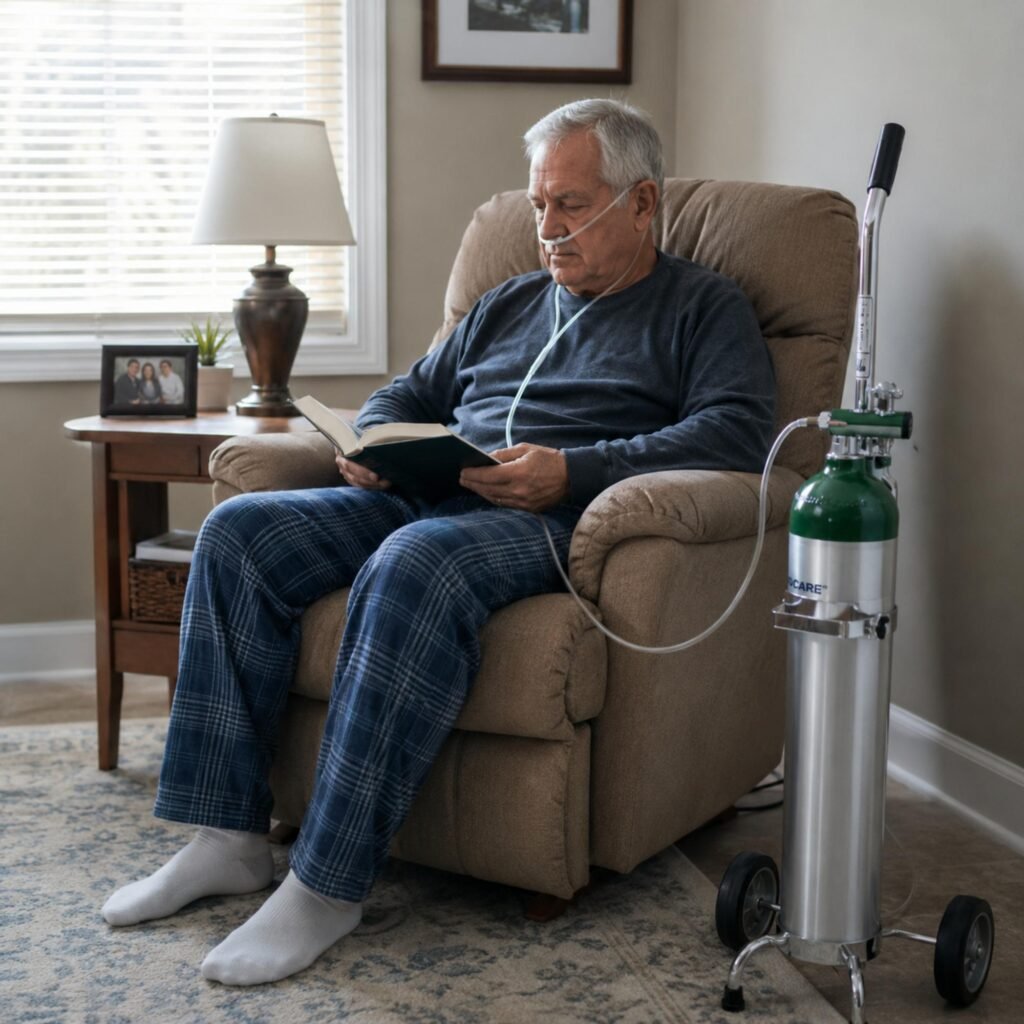
If you or a loved one uses supplemental oxygen, one of the most common and practical questions is: how long will an oxygen tank last
[..]